With the Iran war, companies are stockpiling again and just-in-time is losing ground
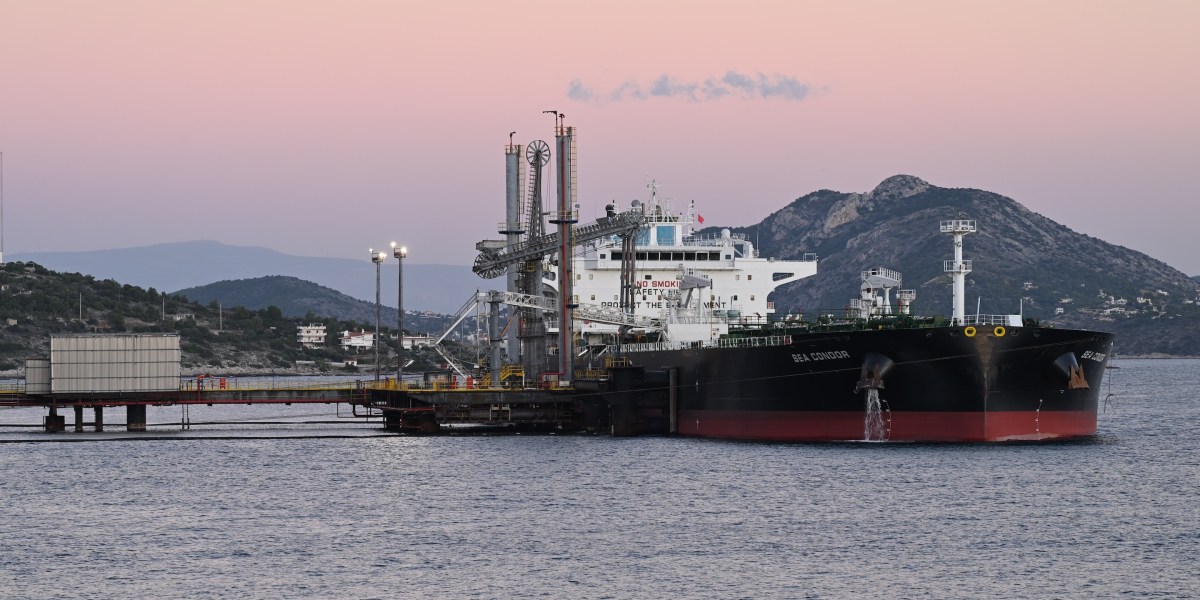
For thirty years, having a nearly empty warehouse was a sign of good management, and now there are companies paying to do the opposite...
Holding more stock gives you security, but it costs money. Some companies are taking on that cost without knowing how long they will have to keep it.
What happened
Swiss packaging maker SIG Group increased its inventory by about 80 million euros in the first half of 2026, and says it did so on purpose. According to Fortune, the costs of polymers, aluminium and transport rose because of the conflict in the Middle East.
In a BSI survey carried out in August among supply chain professionals, 81% said their company was building up stock, or was about to do so.
What is behind it
According to Ann-Kristin Erkens, who was SIG's finance director before becoming CEO, the company built safety reserves because of uncertainty in its supply chains. SIG passed on much of the costs through surcharges, and its adjusted EBIT margin rose to 15.6%, while revenue grew only 0.8%. Free cash flow for the half year stayed negative at 32 million euros. Erkens said that cutting stock by the end of the year depends on how volatile the markets are. The Pentagon is preparing a similar plan for its bases, but has not linked it to Iran.
What this may change for you
Four kinds of business, four readings.
If you run a large company or a multinational
SIG increased its inventory by about 80 million euros, and its free cash flow for the half year was negative at 32 million euros. If you are thinking of doing the same, you should count the cost of holding those reserves, because CEO Ann-Kristin Erkens says that cutting them depends on how volatile the markets are.
If you have an SME
In the BSI survey, 81% said their company was building up reserves, or was about to. You may want to check with your accountant how much cash you already have tied up in stock, to see if you can afford to hold more without squeezing your cash flow.
If you are a startup founder or work for yourself
In the BSI survey, more than a third of respondents planned price increases in the following six months. If you buy from suppliers, you may want to see what they charge you and whether you can pass part of the increase on to your customers, as SIG did with surcharges. The source does not say whether that is possible for people who work alone.
If you have a small local business, like a bakery or a shop
If you hold more stock, that money sits idle, and SIG, which is large, still has negative cash flow. You should check how much you already have in stock before you buy more. The source does not say whether this applies to businesses of your size, or whether the reserves will last after the war.
What you can take from this
I would start by checking whether your main suppliers have already warned of price rises and how much money you have tied up in stock. Only then would I decide whether it is worth holding more. SIG will only show in its annual results whether it kept the reserves or reduced them. If your most important supplier failed, how many days could you keep selling with the stock you have?
Tell me what you thought
It is anonymous, one rating per person, and it helps me decide what to keep and what to cut.
Source
Radar briefs are written with the help of artificial intelligence, in the Desmonta style, from articles by other outlets, and checked by automatic rules and by a second independent check. They can contain mistakes: always confirm at the original source.
If you own the rights to the image and want it removed, tell us on the contact page. Contact